

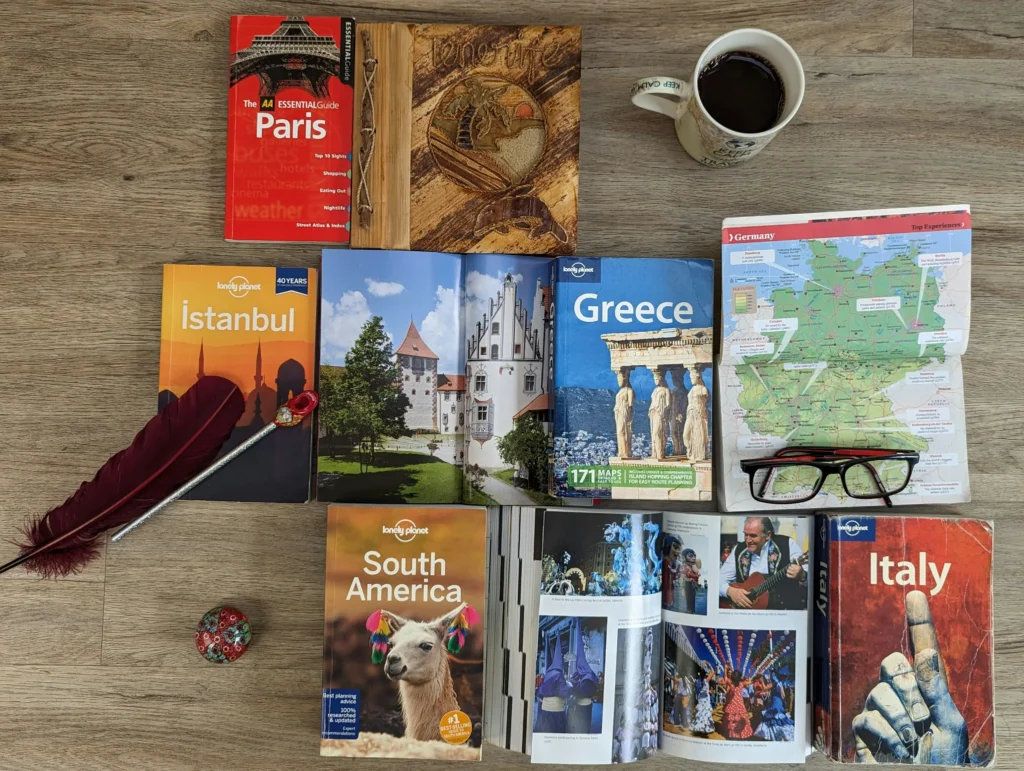
Introduction to Studying Abroad
Studying abroad presents a myriad of opportunities for Pakistani students, enriching their educational journey and broadening their horizons. The primary allure of international education lies not only in attaining a degree from a globally recognized institution but also in experiencing diverse cultures and perspectives. This exposure is crucial in a rapidly globalizing world, where cultural intelligence and adaptability are invaluable traits.
One of the significant benefits of studying abroad is the chance to improve language skills. Immersion in a new language environment often leads to enhanced fluency and communication abilities, which are essential in today’s interconnected job market. Furthermore, many institutions worldwide offer programs in English, enabling students from Pakistan to attend without a significant language barrier.
International education also facilitates personal development. Students are often pushed out of their comfort zones, fostering independence and resilience. Living in a foreign country requires navigating daily challenges—whether it’s dealing with homesickness or managing finances—which cultivates critical life skills. This experience not only builds confidence but also enhances employability and contributes to personal growth.
Moreover, studying abroad opens doors to a global network of peers and professionals, establishing connections that can lead to various career opportunities. These international networks can be particularly advantageous in enhancing one’s resume, as employers often value candidates with international experience and cross-cultural competencies.
In addition, many countries offer scholarships and financial aid to attract international students, making it feasible for many Pakistani students to pursue their dreams abroad. This financial support can often lessen the financial burden associated with higher education overseas.
As we delve further into this guide, it is essential to explore the comprehensive benefits that studying abroad holds for Pakistani students, paving the way for a bright and successful future.
Choosing the Right University and Program
Choosing the right university and program is a critical step for Pakistani students aspiring to study abroad. The first aspect to consider is university rankings. Various organizations publish rankings that can provide insight into the quality of education offered by institutions around the world. Pakistani students should explore reputable sources such as QS World University Rankings or Times Higher Education. These rankings are based on various factors, including academic reputation, employer reputation, and faculty-to-student ratio, which can help students gauge the university’s standing globally.
Besides rankings, prospective students should delve into course offerings. Each university specializes in different fields, and understanding which ones align best with students’ academic interests and career aspirations is essential. To do this, students should visit university websites, attend virtual open days, and reach out to current students or alumni to acquire firsthand information regarding specific programs. Furthermore, exploring the curriculum and faculty expertise can provide valuable insights into the depth and breadth of each program.
Campus facilities also play a vital role in enhancing the study experience. Pakistani students should investigate what amenities universities offer, such as libraries, laboratories, study spaces, and recreational facilities. Additionally, understanding the support services available, such as mentorship programs, counseling, and academic assistance, is crucial for student success.
Cultural fit is equally significant. As students transition into an international environment, they need to ensure that the university’s culture aligns with their values and lifestyle. Engaging with the university community through social media platforms or attending introductory webinars can help Pakistani students gauge whether they would feel at home in that setting. Ultimately, a combination of these factors will help students make an informed decision when selecting the right university and program to study abroad.
Understanding Admission Requirements
When considering the prospect of studying abroad, it is essential for Pakistani students to understand the various admission requirements set forth by universities in different countries. These requirements generally encompass academic qualifications, language proficiency tests, and the necessary documentation that applicants must provide.
First and foremost, academic qualifications play a pivotal role in the admission process. Universities typically require international applicants to present their academic transcripts, which include grades from secondary education and any post-secondary studies. Pakistani students should ensure that their qualifications, such as the Higher Secondary School Certificate (HSSC) or Intermediate Certificate, are recognized by the institution they wish to apply to. Some universities may also require standardized test scores like the SAT, GRE, or GMAT, depending on the program of interest.
Language proficiency is another critical component of the admission requirements for students from Pakistan. Many institutions require non-native English speakers to demonstrate their English language skills through standardized tests such as the TOEFL or IELTS. Achieving the required scores in these tests is crucial for applicants, as it not only fulfills the admission criteria but also prepares them for the academic environment in an English-speaking country.
Finally, thorough documentation is essential for a successful application. Students must gather and submit various documents, including a valid passport, letters of recommendation, a statement of purpose, and a curriculum vitae (CV). Furthermore, certain countries may require a Statement of Financial Support to demonstrate the ability to cover tuition fees and living expenses during their studies. To ensure a smooth application process, it is advisable for Pakistani students to check the specific requirements of each university, as they may vary significantly.
Financial Planning and Budgeting
Studying abroad can be an enriching experience for Pakistani students, providing a world-class education and exposure to diverse cultures. However, it is essential to conduct thorough financial planning and budgeting to navigate the costs associated with this endeavor. The expenses related to studying abroad can be broadly categorized into tuition fees, living expenses, and additional costs that may arise during the course of study.
Tuition fees vary significantly depending on the country and institution chosen. For instance, studying in countries like the United States, Canada, or Australia can involve tuition costs that range from a few thousand to tens of thousands of dollars annually. In addition, it is critical to factor in living expenses, including accommodation, utilities, food, transportation, and health insurance, which can differ widely from one city to another.
Another aspect to consider is additional costs, which may include textbooks, supplies, and extracurricular activities. To manage these expenses effectively, creating a detailed budget is key. Start by estimating both fixed and variable costs, and regularly update this budget to reflect changes in expenses over time.
Furthermore, to ease the financial burden, Pakistani students should explore various financial aid options, scholarships, and student loans. Many universities offer scholarships specifically aimed at international students. Additionally, governmental and private organizations in Pakistan may provide financial assistance for students seeking to study abroad. It is advisable to research these opportunities early in the application process to maximize potential funding.
In conclusion, careful financial planning and budgeting are crucial when considering studying abroad. By understanding the costs involved and exploring available financial resources, Pakistani students can better prepare for their international academic journey.
Visa and Immigration Process
For Pakistani students aspiring to study abroad, understanding the visa and immigration process is crucial. The first step is identifying the country of choice, as each nation has its own requirements for student visas. Generally, an accepted student must obtain a confirmation of enrollment from the chosen educational institution. This document is a prerequisite for initiating the visa application process and should be secured well ahead of deadlines.
Once the acceptance letter is obtained, students can begin preparing the necessary documentation required for the visa application. Common documents include a valid passport, proof of financial capability to support education and living expenses, health insurance, and sometimes a language proficiency test result, such as IELTS or TOEFL, depending on the country’s regulations. Students must ensure that all documents are up to date and accurately reflect their personal information.
The next phase involves completing the visa application form. Many countries offer online platforms where students can fill out these forms. It is essential to follow the instructions carefully and provide truthful information to avoid potential delays or rejections. After submission, students are usually required to pay a visa fee; hence, understanding the fee structure in advance is beneficial.
Following the application, students may need to attend an interview at the respective embassy or consulate. It is advisable to prepare for common questions related to the study plan, purpose, and future aspirations. Maintaining professionalism and confidence during the interview will significantly enhance the chances of approval. Additionally, students should keep track of their application status and be ready to respond to any requests for additional information from immigration officials.
Essential tips for Pakistani students include being aware of scholarship opportunities, preparing for potential language barriers, and staying informed about changes in immigration policies, as these can impact the visa application process significantly.
Preparing for Departure
Embarking on a journey to study abroad represents an exciting opportunity for Pakistani students, but it also necessitates careful preparation. The first step in ensuring a smooth transition is to create a comprehensive packing list. This list should include essential clothing suited to the climate of your destination, necessary academic materials, and personal items that provide comfort and familiarity. It may also be beneficial to include specific items that reflect your culture, such as traditional clothing or snacks, to help ease homesickness.
A vital part of preparing for departure is what is often referred to as a pre-departure checklist. This list serves to ensure that all logistical aspects are attended to before leaving. Key items to consider include securing accommodation, reviewing financial arrangements, obtaining necessary travel documents, and confirming health insurance. Additionally, students should be familiar with the local customs and regulations of their host country, as a solid understanding can significantly enhance the experience abroad.
Cultural preparation is another important element of readiness. Students may benefit from researching their new country’s culture, societal norms, and educational differences. Engaging with online forums, joining preparatory groups, or reaching out to fellow students already residing there can provide invaluable insights. Furthermore, expecting and embracing cultural differences can help students adapt more quickly.
Health precautions also play a pivotal role in preparation. It is advisable to consult with a healthcare professional about recommended vaccinations and health protocols required for entry into the destination country. Keeping a record of vaccinations and any necessary medications is crucial, ensuring that students are protected during their stay abroad. By taking these steps, Pakistani students can set a solid foundation for their overseas education experience, leading to personal growth and academic success.
Adapting to a New Culture
Adapting to a new culture can be a challenging yet rewarding experience for Pakistani students studying abroad. It is essential to approach this transition with an open mind and willingness to learn about the host country’s customs, traditions, and social norms. Understanding cultural sensitivity is critical to fostering mutual respect and acceptance within the local community. Engaging in cultural exchange activities, such as language classes or local festivals, can provide invaluable insights into the everyday lives of residents.
Homesickness is a common challenge faced by many international students, including those from Pakistan. While missing family and friends is natural, it is crucial to develop coping strategies to mitigate feelings of isolation. Establishing a routine can help maintain a sense of stability and normalcy. Regular communication with loved ones back home, while also allowing for personal growth and independence, balances nostalgia with the excitement of exploring a new environment.
Building a social network is vital to adapting successfully in a foreign land. Pakistani students can begin by connecting with fellow international students, as many share similar experiences and challenges. Joining clubs, attending university events, or participating in community service can be effective ways to make new acquaintances and establish friendships. Furthermore, engaging with local residents through volunteer opportunities or cultural groups can foster a deeper understanding of the host society and facilitate smoother integration.
Ultimately, adapting to a new culture requires patience and resilience. By embracing differences, seeking support when needed, and actively participating in the local community, Pakistani students can enrich their study abroad experience and promote cross-cultural understanding.
Academic Life and Support Services
For Pakistani students embarking on their academic journey abroad, understanding the structure of the academic environment is crucial. International universities typically adopt a flexible educational framework that combines lectures, seminars, and practical sessions. This structure encourages students to engage with the material actively, promoting deeper understanding and critical thinking. Classes may vary in size, with large lectures supplemented by smaller, more interactive tutorial groups. This format fosters a sense of community among students and allows for personalized interaction with instructors.
Support services are a fundamental aspect of academic life for students studying abroad. Most institutions provide a range of resources designed to assist students in adapting to their new academic environment. These may include academic advising, tutoring services, and writing centers, where students can receive assistance with assignments and enhance their writing skills. Furthermore, many universities offer workshops focused on study skills, time management, and exam preparation, which can significantly benefit Pakistani students as they navigate their coursework.
Additionally, counseling services play a vital role in supporting the mental health and well-being of students. Transitioning to a different educational system and culture can be challenging, and universities often provide access to trained counselors who can assist with various issues, including stress management and cultural adjustment. It is advisable for students to familiarize themselves with these resources early in their studies. Seeking help from these services not only contributes to academic success but also helps create a balanced and enriching student experience abroad.
Career Opportunities Post-Study
Studying abroad presents a unique set of career opportunities, especially for Pakistani students who are seeking to enhance their global employability. Upon completing their studies, graduates often possess a rich tapestry of skills and experiences that can significantly boost their chances in the competitive job market.
First and foremost, many countries offer internships and work experience programs specifically aimed at international students. These programs not only provide practical exposure relevant to their fields of study but also enable students to build valuable professional networks. Engaging in internships can often lead to full-time job offers, making it a vital component of the career development process.
In addition to internships, obtaining work permits is crucial for Pakistani students wishing to remain in their host countries post-graduation. Various nations have initiated policies that facilitate work opportunities for international graduates. For instance, countries such as Canada and Australia have specific pathways for students to transition into the workforce, allowing them to gain relevant experience while contributing to the local economy.
Furthermore, an international degree significantly enhances one’s résumé. Employers frequently prioritize candidates who have studied abroad, as these individuals are deemed to possess a broader understanding of diverse cultures and professional practices. Pakistani students can leverage this advantage by highlighting the skills gained during their studies, such as language proficiency, adaptability, and cross-cultural communication.
As the job market continues to evolve, the ability to navigate different cultural contexts and work environments becomes paramount. By effectively showcasing the educational and experiential advantages of studying abroad, Pakistani graduates can be well-positioned to seize promising career opportunities both at home and internationally.